Proper attic insulation and comprehensive air sealing stabilize home temperatures, ease HVAC strain, and stop conditioned air from escaping through your roof envelope.
Your roof and your attic work together as a single protective system. Even the finest roof installation cannot perform at its best if conditioned air leaks into an uninsulated attic space. In Southern summers, attic temperatures can easily reach 140°F to 160°F, radiating extreme heat down through ceilings into your living spaces and driving up energy costs.
At Reliable Services Pro, we install high-performance attic insulation systems tailored to our regional climate. Our certified insulation crews inspect your existing thermal barrier, seal air leaks, and install advanced blown-in cellulose, fiberglass, or spray foam to meet or exceed DOE R-38 to R-60 standards.

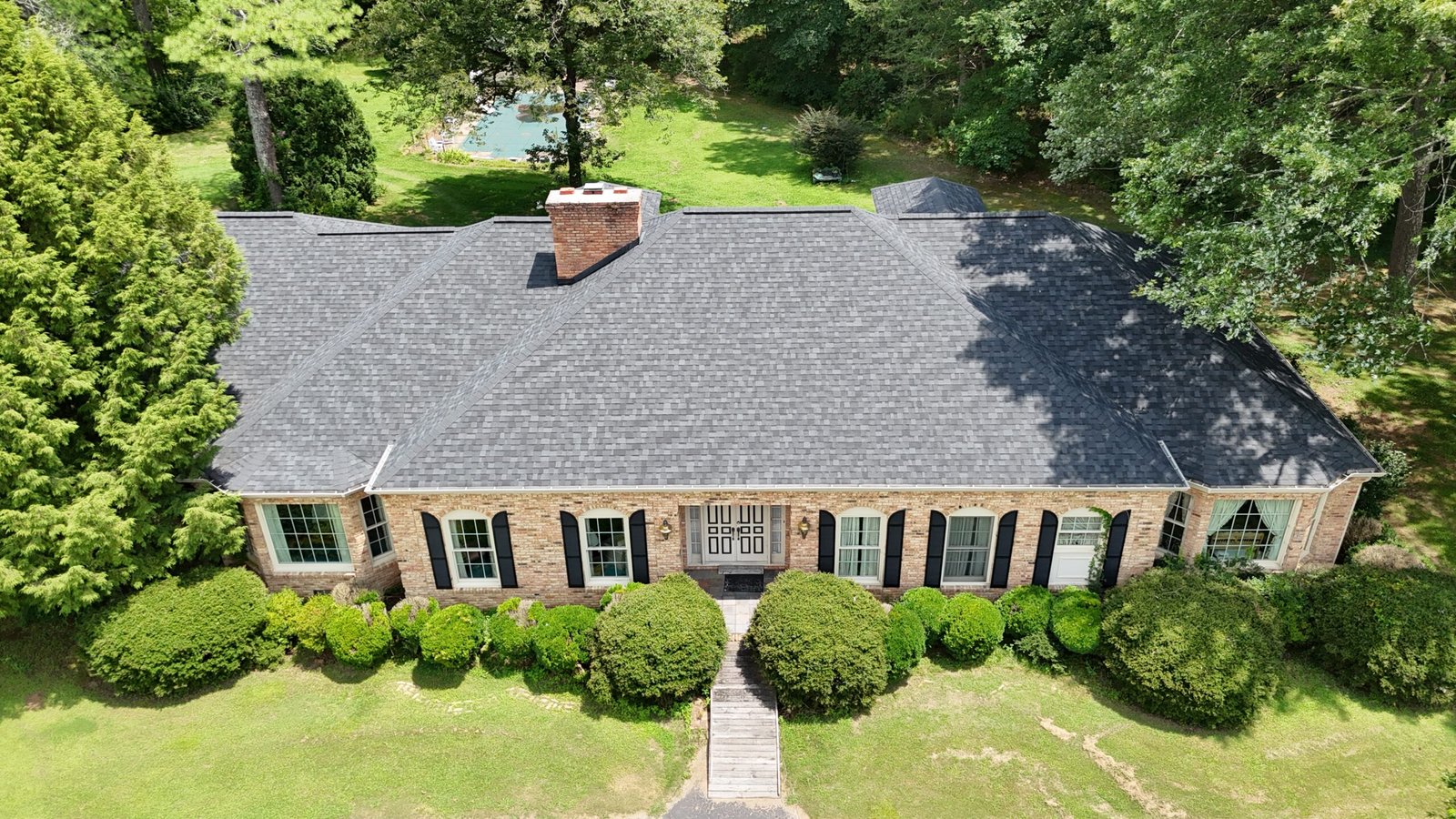
Customized insulation and ventilation systems engineered for maximum durability, comfort, and energy savings.
Manufactured from recycled paper fibers treated with non-toxic natural borates, blown-in cellulose provides superior density, outstanding fire resistance, sound dampening, and pest deterrence while packing tightly into hard-to-reach attic voids.
Formaldehyde-free, naturally non-combustible virgin fiberglass loose-fill provides permanent thermal protection. It resists moisture absorption, will not rot or decay over time, and maintains its calibrated R-value for decades.
Delivering the highest R-value per inch, open-cell and closed-cell spray polyurethane foam expands into every hairline crack and rafter seam, creating a monolithic air barrier that converts your attic into an ultra-efficient semi-conditioned space.
Before adding insulation, our specialists seal bypasses around plumbing stacks, electrical wire chases, can lights, chimney flues, and access hatches with expanding foam and fire-rated sealants to stop convective airflow.
If your attic contains old, animal-contaminated, water-damaged, or hazardous compressed insulation, our team safely extracts it using heavy-duty exterior HEPA-filtered vacuum systems followed by hospital-grade antimicrobial misting.
Reflective foil radiant barriers block up to 97% of solar radiant heat gain through roof sheathing. Combined with rafter baffles, soffit vents, and ridge vents, we maintain active passive airflow that extends roof shingle longevity.
Engineered for meticulous cleanliness, certified safety, and long-lasting thermal performance.
We measure existing R-values, identify heat transfer zones with thermal imaging, check roof decking for moisture, and inspect ventilation flow.
We install rafter baffles over soffit vents to preserve attic airflow, build insulated attic hatch dams, and seal all ceiling air leaks.
Using calibrated pneumatic blowing equipment, we apply certified cellulose or fiberglass to exact depth markers across your entire attic floor.
We perform a final depth verification, complete meticulous job site cleanup, and hand you an official insulation certificate of compliance.
Choose the optimal insulation material for your home structure, budget, and efficiency goals.
Fill out this quick form or call us directly at (205) 240-0233 or (205) 370-3160.
Everything you need to know about upgrading your home's attic insulation.
If you look into your attic and can easily see the wooden floor joists, your insulation level is inadequate. In our region, insulation should be at least 13 to 18 inches deep (R-38 to R-60). Other warning signs include uneven indoor temperatures, high summer electric bills, drafty ceilings, and HVAC systems running constantly.
Yes! As long as the existing insulation is dry, mold-free, and undamaged by rodents or pests, new blown-in cellulose or fiberglass can be installed directly over it to bring your attic up to modern energy efficiency codes. If the existing material is contaminated or water-damaged, we safely extract it first.
Most standard residential attic insulation projects are completed in just half a day to one full day (approx. 4 to 6 hours). Our professional blowing equipment remains in our exterior truck, with only a clean, flexible hose brought into the attic to minimize indoor disruption.
Absolutely. When an attic traps excessive heat without proper thermal boundaries and ventilation, roof decking cooks from the underside, causing shingles to blister, curl, and deteriorate years ahead of schedule. Proper insulation and balanced ventilation stabilize roof deck temperatures, protecting your investment.
